Långsjöbygden's regenerative pasture with virtual fencing
A feasibility study on the implementation of new technology on six farms around Långsjöbygden
About the project
In this feasibility study, we investigate how the implementation of virtual fences works in combination with regenerative grazing methods. The starting point is six farms in Långsjöbygden, Södertälje municipality. The feasibility study will include study visits to Norway (where this type of fence is currently allowed), seminars/knowledge-enhancing initiatives, advice/expert support for potential implementation on individual farms, and a concluding knowledge seminar open to the public.
When the feasibility study is completed, the project will have identified and analyzed the specific conditions and business models for implementing regenerative grazing with virtual fences on the participating farms.
The feasibility study is innovative and among the first of its kind in our area. Virtual fences will be allowed in Sweden from January 1, 2026.
The feasibility study is led by Patrik Waldenström (sole proprietorship). In the feasibility study, he collaborates with, among others, the association Regenerative Sweden and LRF Södertäljebygden.
Photo large image: Lotten Wahlund, Rise
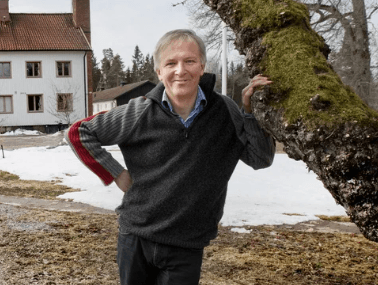
Patrik Waldenström. Photo: Paola N Andersson, LT
ABOUT THE PRELIMINARY STUDY
”With virtual fences, we will be able to graze areas that are currently unused because they are too remote or too difficult to fence. It also provides opportunities for forest grazing.
We want to conduct a feasibility study where we examine the conditions for regenerative grazing in combination with virtual fences.”
Why was the project prioritized?
The LAG decided to prioritize the project at the board meeting on September 25, 2025.
Justification: The Långsjöbygden feasibility study on regenerative grazing with virtual fences is an important investment to develop the sustainable agriculture of the future. Virtual fences are a crucial tool for making grazing on areas that are currently difficult or costly to use, which can lead to both more efficient grazing utilization and lower operating costs. The feasibility study contributes to new knowledge about how regenerative methods can strengthen the profitability of agriculture while benefiting the environment through increased biodiversity, improved soil health, carbon storage, and better climate adaptation. By developing concrete project plans for participating farms and spreading experiences, the initiative can inspire more landowners and livestock keepers, thereby creating ripple effects for the entire industry.
About the project
The project is awaiting a decision from the Swedish Board of Agriculture.
The project is prioritized by the Leader Sörmland Coast board. Awaiting approval from the Swedish Board of Agriculture.
Project period
2025-2026
Project owner
Patrik Waldenström (sole proprietorship)
Purpose and goals
The purpose The purpose of the feasibility study is to investigate the conditions for introducing regenerative grazing methods in combination with virtual fences on the participating farms in Långsjöbygden.
The goal The aim of the project is to produce a compilation of experiences and knowledge in the form of a written report, which describes lessons learned, obstacles, and opportunities, as well as to disseminate the results through a concluding workshop/seminar.
The activities include study trips, knowledge acquisition, and analyses at the farm level, development of reports and project plans, as well as dissemination of results through seminars and networks.
About financing
Granted project support in the rural development programme
92,624 SEK
Own private financing
27,696 SEK
Participant fees
12,000 SEK
Total project budget
132,320 SEK
Support rate: 70 %
The support from the rural development programme consists of funding from the EU and the state.
