Blue Leader
Here you will find inspiration for blue/marine industries (e.g. fishing, aquaculture, maritime tourism) in the Sörmland coast.
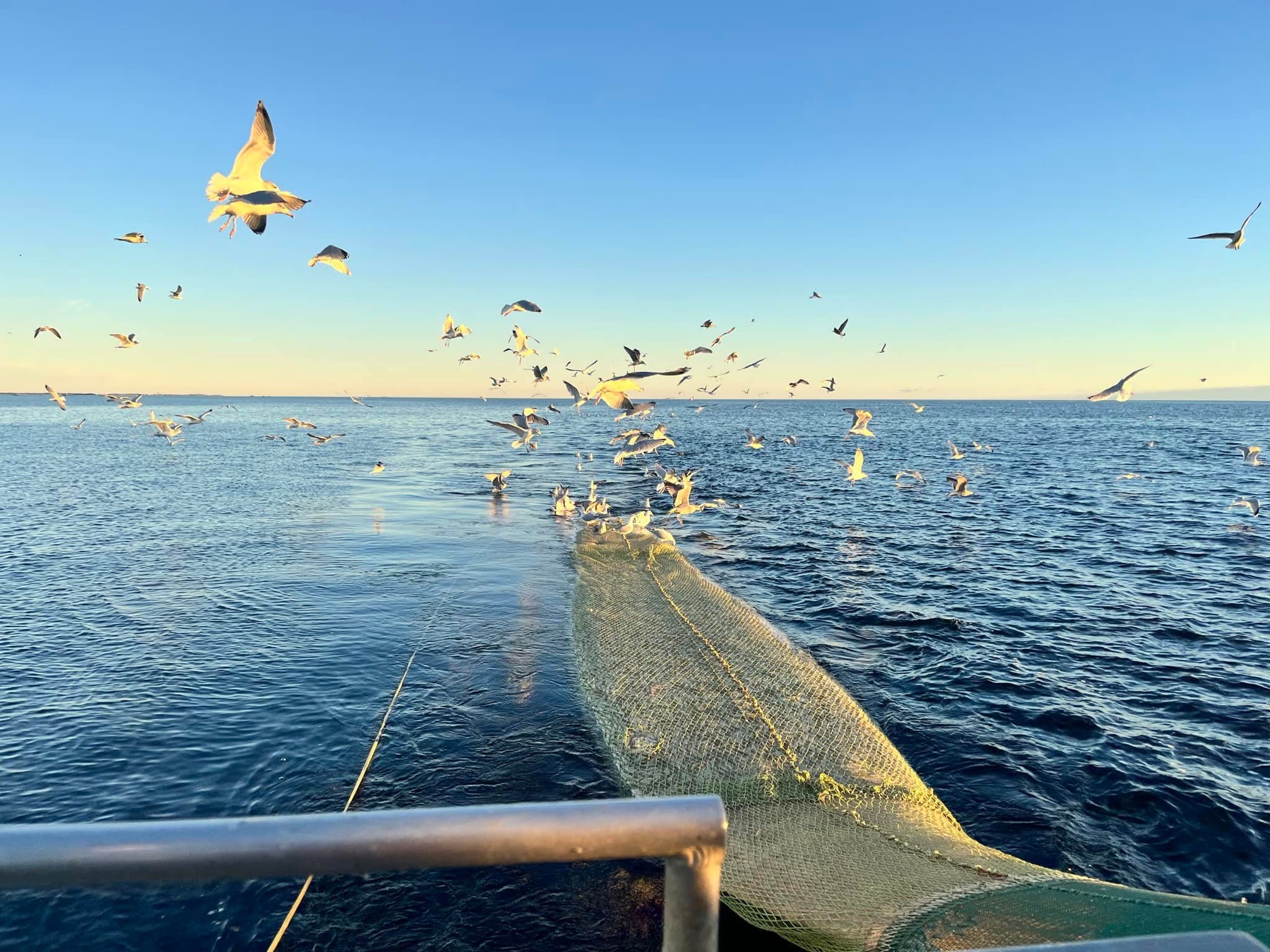
Leader Sörmland coast also supports blue industries!
Challenges of the Sörmland coast
The Sörmland coast is characterized by several environmental and socio-economic challenges that affect fishing, aquaculture, and the marine sector. Eutrophication is the biggest environmental problem in the Baltic Sea and leads to oxygen deficiency, algal blooms, and deteriorated habitats. Together with historically high fishing pressure, this has put pressure on important stocks such as cod and herring.
Water quality continues to be affected by discharges from agriculture and sewage, and certain fishing methods damage sensitive bottoms. Climate change exacerbates the problems through rising temperatures, ocean acidification, and more extreme weather, which affects both fish health and the long-term productivity of stocks.
The industry is also facing significant structural and economic challenges. Strict regulations and quotas limit commercial fishing, and small-scale fishermen struggle to achieve profitability. In aquaculture, more sustainable methods are needed to reduce the risk of local eutrophication. Additionally, there is a growing need to modernize fishing and guest harbors to meet today's demands for sustainability, logistics, and accessibility.
So what can we contribute within Leader?
4 examples of Blue Leader projects
Local Food:
• Swedish seaweed – an environmentally friendly raw material. Udevelop small-scale processing or direct sales Be inspired by Seaweed on the plate
Locally caught fish- The Home Harbor is a platform for fishermen selling locally landed fresh fish from boat or at dock
Smart Rural Areas:
• Collaboration model – Start a neutral and unifying platform for all who want to engage for clean water and a circular Sörmland coast, where everyone is equally welcome to make contributions that benefit the residents of the Sörmland coast in ecological, economic, social, and cultural terms. Be inspired by the Hanö Bay
Vibrant Rural Areas:
• Fishing tourism and coastal experiences — develop guided tours, tastings, and educational experiences related to coastal and marine cultural heritage.
Business Development:
• Start of land-based fish farming — support for new or growing businesses in sustainable land-based fish farming Be inspired by Gårdsfisk
More project examples Blue Leader
Here are three concrete examples of project initiatives that Leader Sörmland coast could finance within the initiative area Local Food — linked to coastal and blue industry:
1. A collaboration project between local actors along the Sörmland coast, public kitchens, and grocery trade to test and establish new local fish raw materials (for example, clarias or other sustainable species) in everyday meals.
Concrete measures:
-
Study visits and knowledge transfer from producers such as Gårdsfisk
-
Test cooking and menu development together with municipal kitchens
-
Educational initiatives for nutrition managers, purchasers, and kitchen staff
-
Pilot deliveries to schools, elderly care, and local ICA and Coop stores
Effect:
Increased local food supply, new markets for blue nutrition and greater knowledge of sustainable fish production.
2. Inspired by Seaweed on the plate: build a regional knowledge platform about seaweed focusing on the Sörmland coast.
Concrete measures:
-
Workshops and lectures for chefs, restaurants and food artisans
-
Recipe development tailored to local species and seasons
-
Information efforts to consumers: where to buy seaweed, how to use it?
-
Collaboration with harvesting companies, divers or research actors
Effect:
New local foods, strengthened innovation capacity in coastal businesses and increased acceptance of blue raw materials among consumers.
Develop food and knowledge experiences around fishing and seaweed that combine local food, tourism and popular education.
Concrete measures:
-
Guided site visits to producers (fish, seaweed, processing)
-
Small-scale events: ”From sea to plate”, tastings and storytelling
-
Collaboration between producers, associations, study associations and tourist destinations
-
Material for schools and the public about blue nutrition and sustainable food
Effect:
Increased attractiveness for the coast, new revenue opportunities for local actors and strengthened connection between food, environment and place.
Here are three short examples of project initiatives that Leader Sörmland Coast can be financed within the intervention area Smart Rural Areas — related to coast and blue economy / rural areas:
Digital traceability and market platform for coastal and aquaculture products
A project that creates a digital solution (web + mobile) where local producers — fishermen, aquaculturists, small-scale food producers — can list their products, manage orders, deliveries, payments and trace origin. It increases transparency, makes it easier to reach customers, and strengthens local supply and distribution chains.
Infrastructure for sustainable tourism and boat-based transport along the coast
A project to develop small guest harbors, docks or moorings — preferably with services for electricity, charging stations for electric boats, safe quays — as well as digital booking and information systems for visitors and water transport. This strengthens the connection between the coast's resource areas and rural development, increases accessibility and opportunities for green tourism. Inspired by the Stockholm archipelago - For a sea in balance
Local energy project with marine or coastal renewable energy
Example: investigate and install small-scale wind, wave or solar power solutions for fishing villages, docks or coastal communities — with the ambition to contribute to energy supply, reduced climate impact and sustainable rural development.
Here are three short examples of project initiatives for the intervention area Living Rural Areas related to coast and blue economy:
Local fishery-related cultural and educational projects
A project can involve documenting and preserving traditional coastal and fishing community life — for example by organizing workshops, storytelling evenings or photo exhibitions about coastal fishing history, traditional methods and local marine cultural heritage. It strengthens local identity and raises awareness of the coast's heritage.
Development of small-scale fish tourism and experience activities
A project where local fishermen or aquaculturists offer guided fishing tours, nature experiences, coastal accommodation, tasting of local fish or seafood — which contributes to employment, local service offerings, and a strengthened connection between sea/coast and community.
Restoration and care of coastal nature and recreation environments
A project to restore, protect, or care for natural environments along the coast — e.g. salt meadows, wetlands, small bays, or protected water areas — as well as making them accessible to the public with walking and cycling paths, information signs, and recreational areas. It can enhance the quality of life in local communities while contributing to biodiversity and sustainability.
Inspired by Collaboration Hanö Bay
Here are three brief examples of project initiatives under Leader Sörmland Coast — for the initiative area Business Development related to blue economy:
Start and development of land-based fish farming
A project that helps entrepreneurs or family businesses to start a land-based fish farm — including business plan, registration, certification, equipment investments, and marketing. It can help new actors establish themselves in the sector and contribute to local employment.
Development of processing activities for coastal-related products
A project to further develop or expand existing processing activities — e.g. smoking, packaging, or processing of fish/seafood, algae, or other marine products — focusing on increasing product value, quality, labeling, and sales channels. It can strengthen competitiveness and make the business more sustainable in the long term.
Diversification towards new products or services related to sea and coast
A project where an existing company (e.g. in fishing or aquaculture) broadens its operations — for example with tourism and experiences (boat trips, guiding), sales of marine-related products (e.g. algae products, delicacies), or development of service activities for coastal communities. It provides opportunities for new revenue streams and increased resilience to changes in the fish market.
Actors connected in Leader Sörmlandskusten operational area
Fish Harbor
Fish Harbor Oxelösund
Baltic Waters
BalticWaters is a foundation with a single goal: to keep our sea alive.
The Beras International Foundation
DIET FOR A GREEN PLANET
Inland Fishers
Swedish Inland Fishermen's Central Association (SIC)