Förstudie Lagnö energigemenskap
En förstudie för hållbar energi i samverkan
About the project
Lagnö energigemenskap – en förstudie för hållbar energi i samverkan
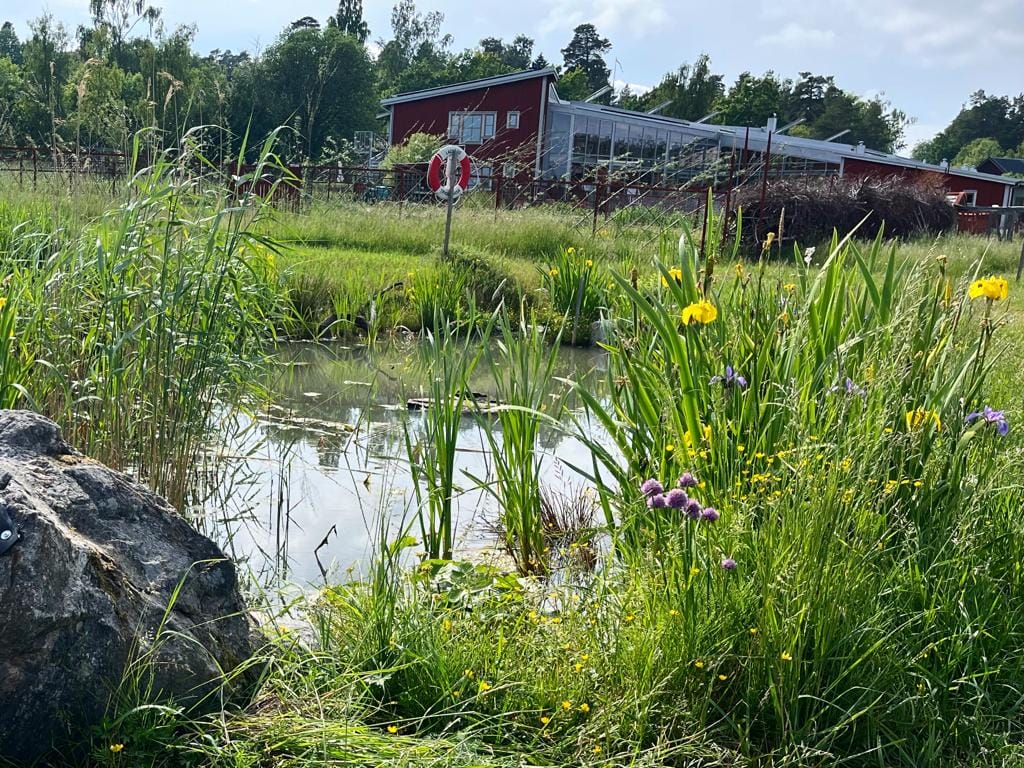
Lagnö Bo KHF driver en förstudie med stöd från Leader Sörmlandskusten för att undersöka hur en lokal energigemenskap kan skapas på Tureholmshalvön i Trosa kommun. Syftet är att kartlägga tekniska, juridiska och ekonomiska förutsättningar för att producera och dela förnybar energi lokalt – till nytta för både miljö och ekonomi.
Projektet genomför workshops, studiebesök och samlar lärdomar som även ska komma andra områden till del. Målet är att ta fram en modell för energigemenskaper som kan användas av fler.
THE PROJECT
”Vi vill visa att det går att samarbeta lokalt för att producera och dela energi på ett hållbart sätt – och samtidigt inspirera andra att göra samma resa.”
– Raymond Wigg, Lagnö Bo KHF
Why was the project prioritized?
LAG bedömer att projektet har ett starkt lokalt engagemang, tydlig förankring och adresserar aktuella utmaningar kopplade till energiomställning och landsbygdens resiliens. Det bidrar till hållbar utveckling, stärker samverkan mellan aktörer och skapar ny kunskap som kan spridas till andra områden. Förstudien har tydligt syfte, realistiska mål och potential att leda till ett genomförandeprojekt med stor nytta för både lokalsamhället och regionen.
About the project
The project is awaiting a decision from the Swedish Board of Agriculture.
The project is prioritized by the Leader Sörmland Coast board. Awaiting approval from the Swedish Board of Agriculture.
Project period
2025-2026
Project owner
Lagnö bo
Project Manager
Raymond Wigg
Purpose and goals
Syftet är att undersöka möjligheterna att etablera en lokal energigemenskap i Lagnö och ta fram en modell för hur det kan genomföras.
Målet är att genomföra en teknisk, juridisk och ekonomisk kartläggning, hålla minst tre kunskapstillfällen och tre studiebesök, utveckla en enkel modell för en energigemenskap samt sammanställa en slutrapport och ett startpaket för andra områden.
Projektets aktiviteter omfattar kartläggning av tekniska, ekonomiska och juridiska förutsättningar för en energigemenskap, genomförande av workshops och kunskapstillfällen, studiebesök, utveckling av en modell och framtagande av spridningsmaterial.
About financing
Granted project support in the rural development programme
67 000 kr
LAG-pott
33 000 kr
Övrig offentlig resurs (Trosa kommun)
30 240 kr
Total project budget
130 240 kr
Support rate: 100 procent, projektstöd till allmännyttig insats.
The support from the rural development programme consists of funding from the EU and the state.
